
Some businesses spend enormous amounts on advertising but struggle to get attention.
Others seem to generate conversation naturally. Customers mention them in conversations, recommend them to friends, and share them online without being asked.
The difference often comes down to something marketers call social currency.
Social currency explains why people talk about certain brands, products, and experiences. Understanding it can transform how companies think about marketing, reputation, and growth.
Instead of constantly trying to push messages outward, businesses can design experiences that people want to talk about.



What Social Currency Means
Social currency is the value people gain from sharing something with others. When someone talks about a brand, a product, or an idea, they are not just spreading information. They are also sending a signal about themselves. They might be signaling that they are:- knowledgeable
- connected
- interesting
- ahead of trends
- helpful to others
Why People Share Things
Human beings are social creatures. Conversation plays a central role in how information moves through society. People share things for several reasons.Status
People like to appear informed or ahead of the curve. Talking about a new idea, product, or technology can signal expertise.Identity
Sharing certain brands or ideas reinforces how someone sees themselves. For example:- entrepreneurs share business insights
- technology enthusiasts share new AI tools
- travelers share destinations
Helping Others
Many recommendations happen because people genuinely want to help friends make better decisions.Entertainment
Stories, surprising facts, and unusual experiences naturally get repeated. Businesses that understand these motivations can design marketing that aligns with how people naturally communicate.
The Psychology Behind Social Currency
Several psychological drivers influence social currency.People Want to Look Smart
If sharing something makes someone appear insightful or knowledgeable, they are far more likely to repeat it.People Want to Belong
Talking about certain brands can create a sense of belonging to a group or community.People Love Remarkable Experiences
Remarkable literally means “worth remarking on.” If something is unusual enough, people feel compelled to talk about it.People Tell Stories
Stories travel far more effectively than facts. A story about a business experience spreads much further than a simple product description.
How Businesses Create Social Currency
Businesses that generate conversation rarely do it by accident. They intentionally design experiences that are worth sharing. Several strategies consistently create social currency.Make Something Remarkable
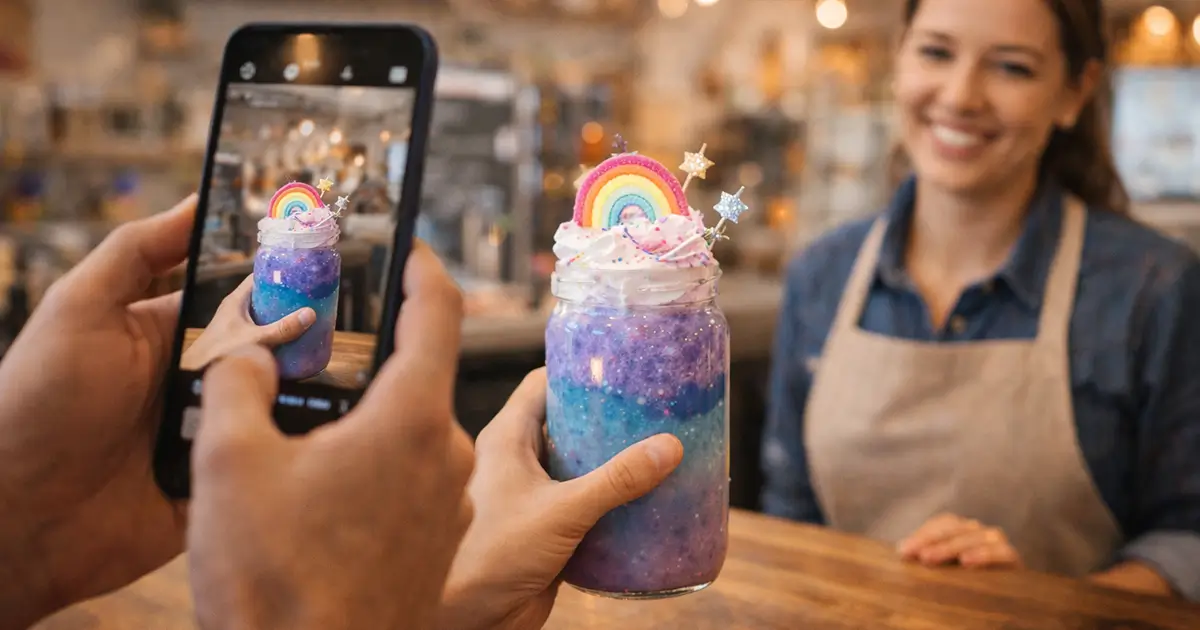
If an experience is unusual or surprising, it becomes naturally shareable. Restaurants, for example, often design visually unique dishes because they know customers will photograph and share them.Reveal Insider Information
People enjoy sharing information that feels exclusive. Early access programs, insider updates, or behind-the-scenes content create shareable moments.Create Status Signals
Products or services that signal expertise, taste, or knowledge are more likely to be shared.Encourage Stories
Businesses that give customers memorable experiences create stories that travel far beyond the original interaction. Examples of Social Currency in Action Many successful companies have used social currency intentionally.Tesla
Tesla generated enormous attention not through traditional advertising but through innovation, storytelling, and community excitement around technology.Apple
Apple products often signal identity and taste. People talk about them because they represent more than just hardware.Airbnb
Airbnb encouraged travelers to share unique experiences, which naturally created stories people wanted to tell. In each case, the brand became something people enjoyed talking about.