
Have you ever signed up for an AI tool, felt excited for a week, then quietly stopped using it?
AI tools can help small businesses move faster, serve customers better, and make smarter decisions. But tools alone rarely deliver results. Readiness around data, systems, and workflows matters far more than the software itself.

Why jumping straight into AI tools often backfires
Many small business owners start with the tool instead of the problem. A chatbot. A content generator. An automation app. The promise sounds simple. Plug it in and watch productivity soar.
Reality looks different.
If your data lives in five places, your processes change every week, and your team is already stretched thin, AI tools struggle. They produce inconsistent output. They create more cleanup work. They frustrate staff who expected quick wins.
A 2024 survey from McKinsey found that most failed AI initiatives stalled not because of technology, but because organizations lacked clear processes and usable data. Small businesses feel this pain even faster because there is less margin for error.
AI does not fix broken workflows. It amplifies them.
What AI readiness really means for small businesses
AI readiness is not about being technical. It is about being clear.
A small-business AI readiness assessment assesses whether your business can support AI without chaos. That includes how information flows, how decisions get made, and how work actually happens day to day.
When I talk with business owners, the biggest gaps usually show up in three areas. Data, systems, and workflows.
When those are aligned, AI tools fit naturally into your business. When they are not, tools feel like another thing to manage.
Data readiness comes before intelligence
AI depends on data that is accurate, consistent, and accessible. If your customer data is incomplete or outdated, AI recommendations will be unreliable.
Think about a simple example. A service business wants AI to suggest follow-up emails. But customer contact details are missing or duplicated. Job notes are stored in free text. The AI produces messages that feel off or incorrect.
The fix is not a better tool. The fix is better data habits.
Data readiness means knowing where your key data lives, who owns it, and how often it is updated. It also means deciding what data matters and what can be ignored.
Systems should work together before AI connects them
AI tools often promise easy integration. In practice, disconnected systems create friction.
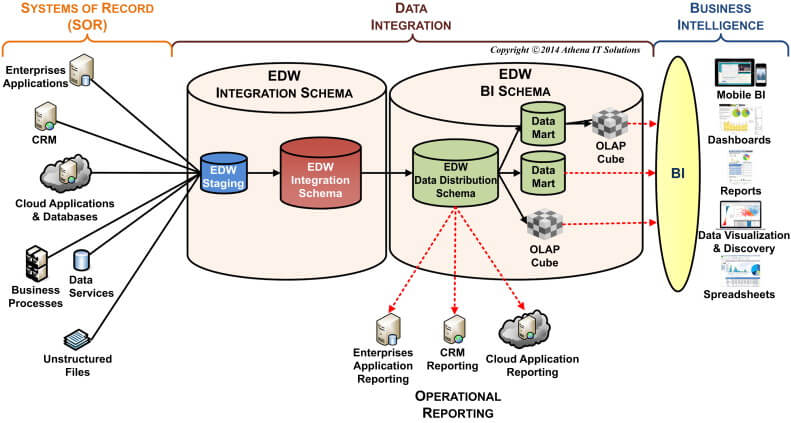
If your accounting software, CRM, website forms, and email platform do not share information cleanly, AI ends up working with partial context. That leads to poor suggestions and missed opportunities.
For example, I worked with a local service company that added AI scheduling. The tool worked fine. The issue was that their booking system was not synced with staffing updates. AI booked jobs that could not be fulfilled.
An AI readiness assessment looks at system overlap, manual handoffs, and points where information breaks down. Sometimes the smartest move is simplifying your tech stack before adding intelligence.
Workflows matter more than features
AI performs best when it supports repeatable processes. If your workflows are unclear or constantly changing, AI struggles to add value.
Ask yourself a simple question. Could you explain how a task gets done to a new employee without confusion? If the answer is no, AI will struggle too.
One client wanted AI to help with proposals. The issue was that every salesperson created proposals differently. AI could not learn a pattern because there was’nt one.
I helped document a simple workflow first, then AI became useful.
Workflow clarity is often the fastest way to unlock value from AI. It also improves performance even if you never adopt a tool.
What a small business AI readiness assessment actually gives you
A proper AI readiness assessment does not push software. It gives you clarity.
You walk away knowing which problems are worth solving with AI, which ones need process fixes first, and where tools can realistically help. It saves money by preventing premature purchases and failed experiments.
It also creates a roadmap that fits your business size, team, and goals. Not a generic checklist. A practical plan.
This is where readiness turns into confidence.
How readiness protects your investment
AI subscriptions add up fast. When readiness is missing, tools get abandoned. That turns into wasted budget and lost momentum.
When readiness is in place, adoption sticks. Teams trust the output. Leaders see results. Improvements compound over time.
That is the difference between experimenting with AI and using it strategically.
Ready to move forward with clarity?
If AI tools have felt confusing, frustrating, or underwhelming, the problem may not be the technology. It may be readiness.
I help small businesses cut through the noise, understand where AI fits, and build a clear path forward. A focused AI readiness assessment gives you answers before you spend another dollar on software.
If you want to know whether AI can actually help your business, reach out.
A short conversation can save months of trial and error.